

Introduction
Does your body feel exhausted despite spending eight hours
in bed every night? Women with sleep apnea frequently receive diagnoses of
depression, anxiety, or chronic fatigue instead of the actual breathing
disorder affecting their sleep. Sleep apnea occurs when throat muscles relax
during sleep, blocking the airway and causing breathing interruptions. The
condition presents differently in women than men — rather than loud snoring and
obvious breathing pauses, women often experience morning headaches, insomnia,
and mood changes that doctors attribute to other conditions.
The misdiagnosis happens because medical professionals
historically studied sleep apnea primarily in men, establishing diagnostic
criteria based on male symptoms. Women's hormonal fluctuations, different fat
distribution patterns, and smaller airways create distinct symptom profiles
that standard screening questionnaires miss. These differences help identify
when symptoms warrant evaluation for sleep apnea that healthcare professionals
can properly diagnose and treat.
If you suspect your symptoms might be linked to sleep apnea Singapore, consulting a specialist can help confirm the
diagnosis and recommend treatment tailored to women’s unique presentations.
Female-Specific Sleep Apnea Symptoms
Women with sleep apnea report fatigue and daytime sleepiness
as their primary complaints, rather than snoring that prompts men to seek
evaluation. Morning headaches affect women with sleep apnea due to carbon
dioxide buildup during nighttime breathing interruptions, yet doctors often
attribute these to tension or migraines. Insomnia, particularly difficulty
staying asleep, occurs when breathing disruptions cause micro-awakenings
throughout the night that women may not consciously remember.
Mood symptoms including irritability, anxiety, and
depression appear in women with untreated sleep apnea because oxygen
deprivation affects neurotransmitter function. The fragmented sleep prevents
proper REM cycles necessary for emotional regulation and mental health. Women
also experience nighttime urination as the heart releases atrial natriuretic
peptide in response to the strain from breathing interruptions.
Restless leg syndrome and periodic limb movements during
sleep occur in women with sleep apnea. These movements represent the body's
attempt to rouse itself when oxygen levels drop. Women report feeling
unrefreshed despite spending adequate time in bed, describing their sleep as
non-restorative even when they believe they slept through the night.
Hormonal Influences on Sleep Apnea
Estrogen and progesterone provide protective effects against
sleep apnea during reproductive years by maintaining upper airway muscle tone
and promoting regular breathing patterns. Progesterone acts as a respiratory
stimulant, increasing ventilation and the sensitivity of chemoreceptors that
detect carbon dioxide levels. These hormones also influence fat distribution,
keeping weight concentrated in hips and thighs rather than the neck and upper
airway areas.
Menopause increases sleep apnea risk as estrogen and
progesterone levels decline. Weight redistribution during menopause leads to
increased neck circumference and upper body fat deposits that narrow airways.
Hot flashes and night sweats compound sleep disruption, making it harder to
distinguish menopause symptoms from sleep apnea effects.
Pregnancy creates temporary sleep apnea risk through weight
gain, fluid retention causing airway swelling, and elevated progesterone levels
that increase respiratory drive but also cause nasal congestion. The supine
sleeping position recommended during late pregnancy worsens airway collapse.
Gestational sleep apnea affects blood pressure regulation and glucose
metabolism, potentially contributing to pregnancy complications.
Polycystic ovary syndrome (PCOS) increases sleep apnea risk
through elevated androgen levels that promote upper body weight gain and affect
breathing control centers. Women with PCOS often show snoring and witnessed
apneas that may differ from typical female presentations.
Diagnostic Challenges in Women
Standard sleep apnea screening tools like the STOP-BANG
questionnaire rely heavily on snoring reports, neck circumference measurements
above 16 inches, and BMI calculations that don't account for female body
composition differences. Women snore more quietly than men due to smaller airways
and different palatal anatomy, leading bed partners to underreport the symptom.
The Epworth Sleepiness Scale asks about falling asleep during activities like
driving or watching TV, but women with sleep apnea more often report feeling
tired without actually dozing off.
Polysomnography (sleep study) scoring criteria may
undercount respiratory events in women who experience more frequent arousals
and respiratory effort-related arousals (RERAs) rather than complete apneas.
Women show more sleep fragmentation with shorter, less obvious breathing
interruptions that still disrupt sleep architecture. Upper airway resistance
syndrome, where breathing requires increased effort without meeting apnea
criteria, affects women disproportionately.
Home sleep tests miss mild sleep apnea in women more often
than laboratory studies because they don't measure sleep stages or arousals.
Women require more sensitive detection of flow limitation and respiratory
effort since their events cluster during REM sleep when muscle tone decreases
maximally. REM-related sleep apnea affects women preferentially, occurring when
dreaming sleep positions and muscle atonia worsen airway collapse.
Did You Know?
Sleep apnea in women often worsens during REM sleep, which occurs more in early morning hours. This timing means that shortened sleep studies or those ending before 5 AM may miss significant breathing disruptions in female patients.
Consequences of Delayed Diagnosis
Untreated sleep apnea in women leads to cardiovascular
complications including hypertension that responds poorly to medications. The
repeated oxygen desaturations and sympathetic nervous system activation cause
endothelial dysfunction and arterial stiffening. Women with sleep apnea show
increased risk for heart failure with preserved ejection fraction, a condition
where the heart pumps normally but doesn't fill properly.
Metabolic disruptions from sleep apnea include insulin
resistance that develops even in non-obese women. The sleep fragmentation
disrupts hormones controlling appetite, leading to increased ghrelin and
decreased leptin levels that promote weight gain. Cortisol rhythms become
dysregulated, maintaining elevated levels that affect glucose metabolism and
fat storage patterns.
Cognitive impacts include difficulty with executive
function, working memory, and processing speed that women often attribute to
aging or stress. The hippocampus, important for memory formation, shows volume
reduction after years of intermittent hypoxia. Women with untreated sleep apnea
report word-finding difficulties and problems with multitasking that affect
work performance.
Mental health deteriorates with chronic sleep disruption,
creating a cycle where depression and anxiety symptoms lead to misdiagnosis
while the underlying sleep apnea remains untreated. The relationship proves
bidirectional — sleep apnea worsens mood disorders, while antidepressants may
increase weight and worsen breathing problems.
Treatment Considerations for Women
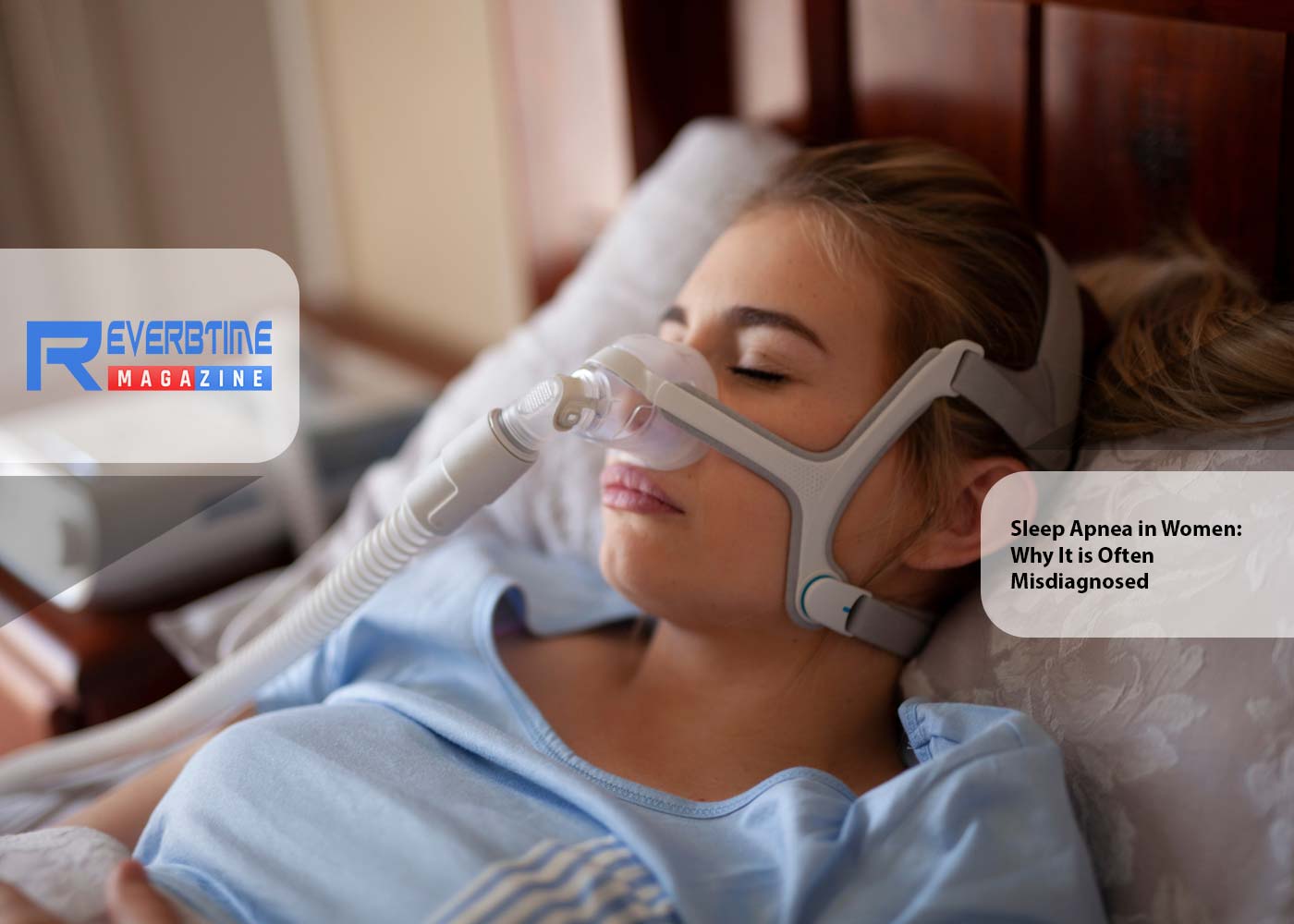
CPAP masks designed for women's facial structures provide
improved seal and comfort with narrower frames and lower profile headgear.
Women require lower pressure settings on average than men, starting at lower
pressures rather than higher pressures. Heated humidification prevents nasal
dryness and congestion that causes women to abandon therapy. Ramp features that
gradually increase pressure help women who feel claustrophobic with immediate
full pressure.
Oral appliances work well for women with mild to moderate
sleep apnea who cannot tolerate CPAP. Mandibular advancement devices move the
lower jaw forward to open the airway. Women's smaller jaw structures and
different dental anatomy require custom fitting by dentists trained in sleep
medicine. Tongue retention devices provide alternatives for women with dentures
or TMJ disorders.
Important Note
Hormone replacement therapy during menopause may provide
modest improvement in sleep apnea severity, but should not replace primary
sleep apnea treatment. The decision requires careful consideration of
individual risk factors with both gynecology and sleep medicine specialists.
Positional therapy helps women whose sleep apnea occurs
primarily in supine position:
- Tennis balls sewn into pajama backs
- Wedge pillows maintaining elevation
- Positional alarms that vibrate when detecting
back-sleeping train side-sleeping habits
Weight loss can reduce AHI scores in women, though lower
body weight loss typical of female patterns may not improve symptoms as much as
upper body changes.
Putting This into Practice
1. Track your sleep symptoms in detail, noting morning
headaches, mood changes, and energy levels rather than focusing only on snoring
reports from partners.
2. Record menstrual cycle phases when symptoms worsen, as
hormonal fluctuations affect sleep apnea severity and may guide timing for
sleep studies.
3. Discuss comprehensive sleep evaluation with a healthcare
professional if experiencing unexplained hypertension, especially if blood
pressure medications prove ineffective.
4. Document daytime functioning issues including
concentration problems, memory lapses, and emotional regulation difficulties
that doctors might otherwise attribute to stress.
5. Discuss sleep evaluation with a healthcare professional
before starting antidepressants if depression accompanies sleep complaints,
unrefreshing sleep, and physical fatigue.
When to Seek Professional Help
- Witnessed breathing pauses during sleep, even if
infrequent or quiet
- Morning headaches occurring more than twice weekly
- Waking gasping or choking, even occasionally
- Unrefreshing sleep despite spending adequate time in bed
- Daytime fatigue interfering with work or daily activities
- Mood changes including new onset depression or anxiety
with sleep complaints
- Difficulty staying asleep with frequent nighttime
awakenings
- Memory or concentration problems developing gradually
- High blood pressure not responding to medication
- Night sweats unrelated to room temperature or bedding
Commonly Asked Questions
Can thin women have sleep apnea?
Yes. Sleep apnea affects women across all body types due to
factors including jaw structure, tongue size, and soft palate anatomy.
Retrognathia (recessed jaw), high-arched palates, and enlarged tonsils create
airway obstruction regardless of body weight. Asian women face higher risk at
lower BMI due to craniofacial structures that narrow the posterior airway
space.
Why do doctors miss sleep apnea in women so often?
Medical training historically emphasized male presentations
of sleep apnea with loud snoring and obvious apneas. Women present with subtler
symptoms like insomnia, morning headaches, and mood changes that overlap with
many other conditions. Standard screening questionnaires lack sensitivity for
female symptoms, missing cases that would benefit from treatment.
Does treating sleep apnea help with weight loss?
Yes. Sleep apnea treatment restores normal leptin and
ghrelin levels, reducing excessive hunger and carbohydrate cravings. Improved
energy enables increased physical activity. The metabolic rate normalizes when
oxygen levels stabilize during sleep. Women often find weight management
becomes possible only after addressing underlying sleep apnea.
Can sleep apnea cause anxiety attacks?
Nocturnal panic attacks may actually represent arousal
responses to breathing interruptions. The sympathetic nervous system activation
from oxygen drops triggers fight-or-flight responses. Women wake with racing
heart, sweating, and fear sensations that mimic anxiety attacks but stem from
breathing disruptions.
Is sleep apnea hereditary in women?
Genetic factors including craniofacial structure, upper
airway anatomy, and breathing control mechanisms pass through families.
Daughters of mothers with sleep apnea show increased risk, particularly after
menopause. Inherited conditions affecting connective tissue, such as
Ehlers-Danlos syndrome, increase airway collapsibility.
Conclusion
Sleep apnea in women requires specialized evaluation due to
subtle symptom presentations that differ from typical male patterns. Symptoms
like morning headaches, unrefreshing sleep, and mood changes warrant assessment
even without obvious snoring. Early diagnosis prevents cardiovascular
complications and metabolic dysfunction that develop with prolonged untreated
sleep apnea.
If you're experiencing morning headaches, unrefreshing
sleep, or unexplained fatigue, an MOH-accredited ENT specialist can provide
comprehensive evaluation for sleep apnea.
Share:


