

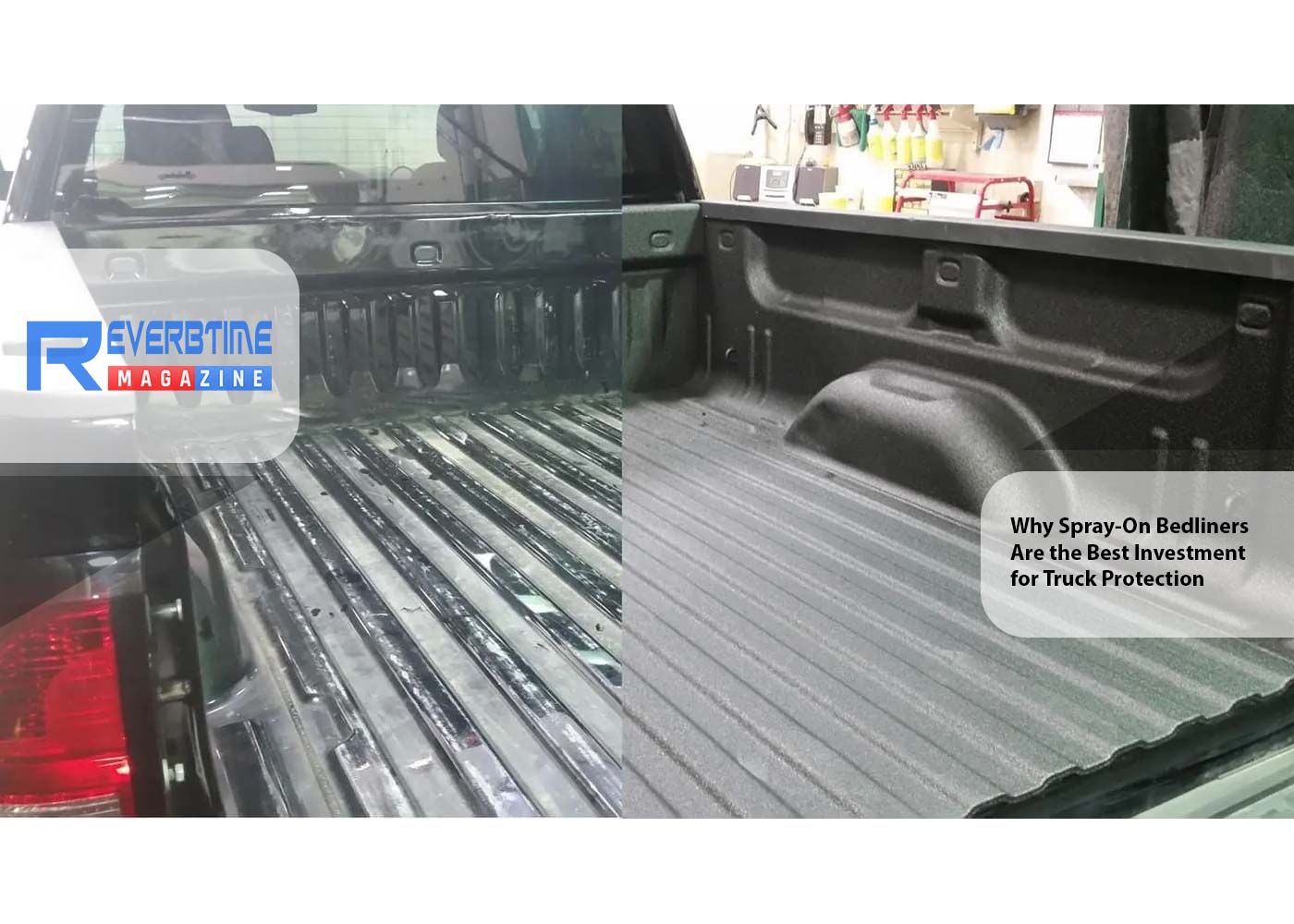
If you own a truck, you already know the punishment a truck
bed takes. Haul gravel, toss in tools, slide equipment back and forth — and
before long, that factory-painted metal bed is scratched, rusted, and looking
worse for wear. That is where a quality spray on bedliner becomes one of the smartest investments a truck owner can make.
But not all bedliners are created equal. Understanding what
separates a genuine performance coating from a basic product — and why the
chemistry behind it matters — will help you make a decision that protects your
truck for years to come.
What Is a Spray-On Bedliner?
A spray-on bedliner is a protective coating applied directly
to the surface of a truck bed using specialized spray equipment. Unlike drop-in
plastic liners that sit loosely in the truck bed, a spray-on coating bonds
permanently to the metal, creating a seamless, textured barrier that shields
the surface from abrasion, moisture, UV exposure, and corrosion.
The coating conforms perfectly to every corner, bolt hole,
and seam of the truck bed, eliminating the gaps and moisture traps that drop-in
liners are notorious for creating. Once applied, it becomes a permanent part of
the vehicle — flexible enough to absorb impacts, hard enough to resist
scratches, and resilient enough to handle decades of heavy use.
The Chemistry Behind a Superior Coating
The most high-performance spray bedliners on the market are
based on polyurea
chemistry. This is a type of elastomeric coating formed when an isocyanate
component reacts with an amine-terminated resin. The result is an
extraordinarily tough material with a combination of properties that few other
coatings can match: high tensile strength, exceptional elongation, rapid cure
time, and outstanding adhesion.
Pure polyurea coatings cure in seconds — not hours — which
means the surface is protected and back in service almost immediately after
application. This sets them apart from polyurethane or epoxy-based products
that require extended dwell times and are more sensitive to temperature and
humidity during the cure process.
ArmorThane has built its entire business around this
chemistry, refining formulations specifically designed for demanding real-world
applications including truck bed protection, industrial floor coatings, marine
environments, and beyond.
Why Spray-On Beats Drop-In Every Time
The comparison between spray-on and drop-in bedliners is not
really close when you consider long-term protection. Drop-in plastic liners may
look clean when new, but they shift during cargo loading, trap moisture between
the liner and the metal, and eventually crack or fade. That trapped moisture
accelerates exactly the kind of rust and corrosion that the liner was supposed
to prevent in the first place.
A spray-on application eliminates every one of those
vulnerabilities. The coating forms a watertight barrier across every square
inch of the bed surface. There is no shifting, no gaps, and no hidden rust
developing underneath. The textured surface also provides genuine grip, keeping
cargo in place during transport without the cargo sliding around on a slick
plastic surface.
For truck owners who depend on their vehicles for work or
adventure, that difference in reliability matters enormously over the life of
the truck.
Thickness, Texture, and Customization
One of the genuine advantages of a professional spray
application is control. Applicators can adjust the thickness of the coating,
the texture of the finish, and the coverage area. Standard truck bed
applications typically range from 80 to 125 mils of coating thickness,
providing a dense layer of protection without adding excessive weight.
Texture can be dialed in from a fine, smooth finish to a
more aggressive, coarse surface depending on the intended use. Work trucks
hauling heavy equipment may benefit from a rougher texture for maximum cargo
grip, while truck owners who prioritize appearance may prefer a finer finish
that still offers full protection.
Color options have expanded significantly as well. While
traditional bedliner black remains the most popular choice for its classic look
and heat resistance, custom colors are available for owners who want their
bedliner to coordinate with a custom paint job or specific aesthetic.
Beyond the Truck Bed: Versatile Protective Applications
While truck bed protection remains the most common use case,
the same coating technology that protects a truck bed is equally effective on a
wide range of surfaces. Wheel wells, rocker panels, undercarriages, running
boards, bumpers, and fender flares can all be coated to add protection and
improve the vehicle's resilience against road debris, rocks, and corrosion.
Commercial and fleet operators have extended the same logic
to cargo vans, work trailers, and utility vehicles. Any surface that takes
regular abuse from cargo loading, off-road driving, or harsh environments is a
candidate for the same polyurea-based protection.
Outside of automotive applications entirely, ArmorThane
coatings are used in industrial flooring, boat hulls, playground equipment, and
even blast mitigation projects — which speaks to just how durable and versatile
the underlying chemistry truly is.
The Importance of Professional Application
A spray bedliner is only as good as its application. Proper
surface preparation — cleaning, sanding, and priming the metal before coating —
is essential for achieving strong adhesion. Professional applicators using
commercial-grade plural-component spray systems deliver a consistent,
high-build coating with uniform texture and thickness that simply cannot be
replicated with aerosol cans or consumer-grade products.
ArmorThane supports a network of trained applicators and
also offers complete spray system packages for business owners who want to
offer professional bedliner services. The combination of professional-grade
equipment and proven coating formulations means consistent, reliable results
job after job.
Key Takeaways for Truck Owners
For anyone on the fence about upgrading to a spray-on
bedliner, a few points are worth keeping in mind. First, the investment pays
off quickly. A quality spray application protects the truck bed from damage
that would otherwise require costly repairs or reduce resale value
significantly. Second, not all coatings are the same — polyurea-based
formulations offer a level of performance that polyurethane and epoxy products
cannot match. Third, professional application matters. The difference between a
DIY result and a professionally applied coating is considerable in terms of
adhesion, appearance, and longevity.
For truck owners, contractors, fleet managers, and off-road
enthusiasts, there is a reason the spray-on bedliner has become the go-to
choice for serious vehicle protection. When the coating chemistry is right and
the application is done properly, the result is a surface that genuinely
outlasts the vehicle it protects.
Share:


