

Building design is not limited to sketching on paper or
picking the type of material. It’s focused on creating environments where
people live, learn, and work. Architecture is focused on people as much as it
is on the design of spaces. Each impressive building is the result of careful
planning and many steps.
A spark, a need, or a dream is what starts every building.
After that, a set of actions starts that will determine both the appearance and
the atmosphere inside the building. These five important steps in architecture
guide a project from a basic idea to a real building in any part of the city,
suburbs, or countryside.
Step 1: Pre-Design – Understanding the Vision
Before anything else, it is important to know exactly what
the project involves. The main task at this point is to listen. It requires
having discussions with clients to learn about their ideas, needs, and goals.
You should also visit the place and learn about its surroundings.
How much sunlight can the property receive? Are there any
natural areas that should be saved? What are the rules that govern land use?
These questions are some of the ones that help you see the bigger picture. In
the pre-design phase, the main ideas are established, not the actual
foundation. It’s a period where you gather ideas, dream, and imagine what you
want.
Step 2: Schematic Design – Putting Ideas on Paper
After the vision is set, you should start to draw it.
Schematic design is the time when the building is first shown in physical form.
These are not the final plans but just the first versions. They illustrate the
general arrangement of rooms, how the space is connected, and the position of
the building on the land.
Now is a period for finding out new things. A number of
sketches can be made, each showing a unique way to express the same idea. At
this point, feedback loops become very important. Clients offer their opinions,
changes are made, and the design starts to change. Even though these drawings
are not finished, they already give a clear idea that everyone can agree on.
Step 3: Design Development – Refining the Details
After the general shape of the building is agreed upon, the
process moves into refining the details. Design development is all about
turning a rough concept into a practical plan. Materials get chosen. Structural
elements are considered. Electrical, plumbing, and mechanical systems are
worked into the layout.
Here, the design shifts from an idea to a plan that can
actually be built. It’s a balance of beauty and function. This phase often
involves collaboration with engineers, consultants, and sometimes interior
designers.
For those who reside in the Southeast, particularly in
Georgia, architecture firms in Atlanta offer comprehensive support during this phase, helping
clients navigate choices that align with local styles, climate considerations,
and building regulations.
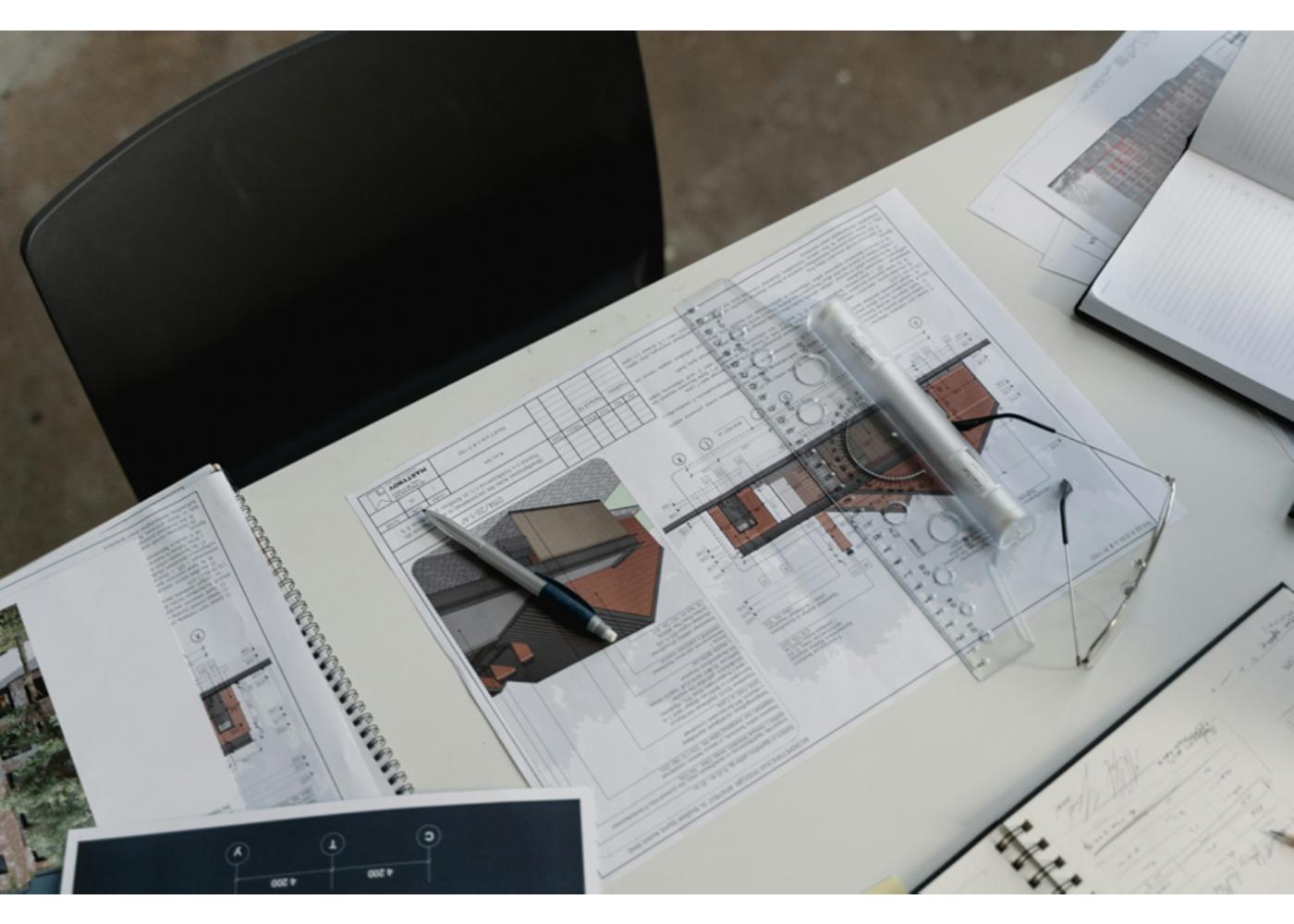
Step 4: Construction Documents – Creating the Blueprint
With the design now more or less locked in, it’s time to get
technical. Construction documents are the detailed instructions that builders
will follow. These plans include everything: dimensions, materials, finishes,
systems, and specifications. It’s here that all the decisions made in earlier
phases are clearly laid out.
This stage might not be as exciting as dreaming up a floor
plan or selecting light fixtures, but it’s absolutely critical. Accuracy
matters. These documents help ensure that contractors know exactly what to do
and how to do it. Mistakes or vagueness at this stage can lead to costly delays
later.
Step 5: Construction Administration – Putting Everything Together
When the construction documents are approved, and builders
are set, you can begin the groundwork. However, the architect’s job is not done
even at this stage. The architect is involved in construction administration to
make sure the project is being carried out as planned.
Site visits are held to check the project’s progress. The
contractors’ questions are addressed. Should an unforeseen event happen, for
instance, a material is late, or the foundation runs into bedrock, the design
can be changed without compromising its structure.
Conclusion
Even though the architectural design process seems simple
from the outside, it actually follows a winding pattern. Sometimes, the story
takes an unexpected path, brings moments of inspiration, and presents
challenges to deal with. All the steps are based on working together, talking,
and using creativity. It’s not only the appearance that makes architecture
great, but also the atmosphere inside it.
Share:


