

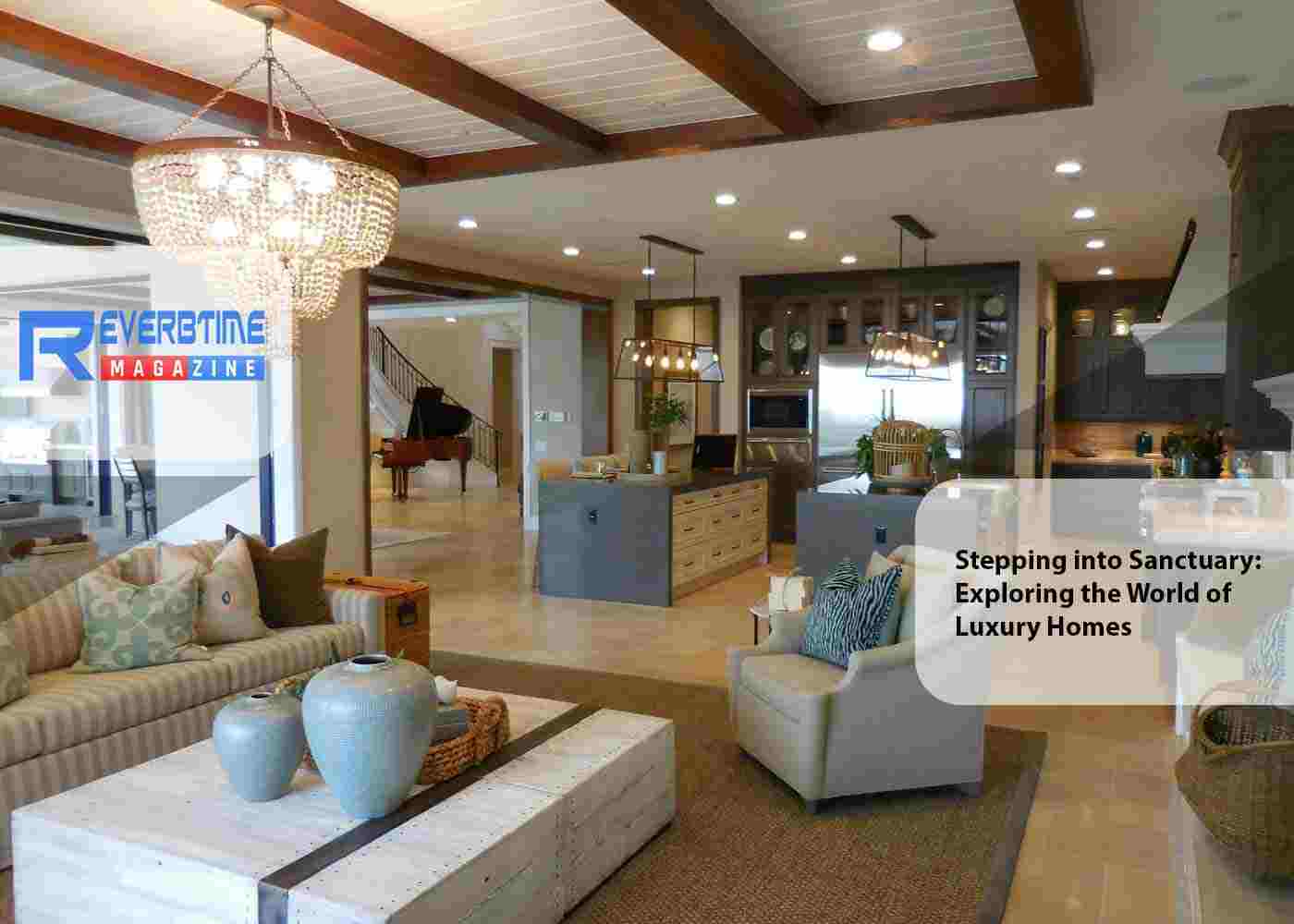
Beyond the glittering gates and palm-lined boulevards is a
realm in which architectural ingenuity is unbounded. These are sanctuaries of
self-expression, spaces meant to provide an equal measure of emotional
sanctuary and visual splendor—not just homes. Every one of them is a private
cosmos molded by the changing needs of those living inside. Every detail, from
spa-inspired bathrooms that seem more like five-star sanctuaries than practical
places to panoramic glass walls that blur the lines between interior and
outside, is meant to turn everyday life into an art form. This territory is
about accuracy, harmony, and deliberate indulgence; it is not about excess.
These areas are designed to anchor peace and awaken the senses, thereby
reminding you that living wonderfully is a statement rather than an expense.
Above the Boulevard
Originally known mostly for its vibrant Strip and casino
scene, Las Vegas has quietly changed to become a worldwide residential luxury
destination. Luxury residences in Las Vegas signal a new age of high-desert
refinement—away from neon lights and into gated areas like The Ridges,
MacDonald Highlands, and Ascaya. In these places, architecture honors the
sophisticated tastes of an international customer as well as the tough beauty
of the Mojave. Clean horizontal lines, large open layouts, and stunning vistas
combining mountain shapes with the skyline define many designs. These houses reflect
the geometry, sunshine, and tranquility of the desert—not some copy of
Mediterranean villas or East Coast manors.
Not upgrades—they are expectations—are energy efficiency,
smart automation, and seamless indoor-outdoor integration. While landscaping
promotes drought-tolerant plants carefully chosen with aesthetic accuracy,
builders use environmentally friendly materials that minimize heat absorption.
Luxury here also refers to anonymity. From dissolving walls inviting desert
sunsets within to cantilevered balconies with private plunge pools, Luxury Homes in Las Vegas
reinvent what seclusion looks like in
the contemporary day. And without a state income tax, purchasers from all
across the world are investing in long-term value rather than just beauty.
The Architecture of Feeling
The power of luxury residences to arouse sensation defines
them more than their physical size. Leading design theory, emotional
architecture emphasizes how a house makes one feel from the minute one crosses
the door. Grand foyers with well-chosen smell diffusers, tactile surfaces like
fluted oak and Italian travertine, and clever lighting that changes with the
day help to create an environment that speaks to your rhythm. The greatest
luxury houses nowadays strike a mix between aesthetic accuracy and simple
comfort instead of being strictly formal or too extravagant.
Drawing on neuroscience and psychology, designers are
creating settings that lower stress, increase sleep, and sharpen cognitive
clarity. Sensual layering, natural materials, biophilic components, and spatial
fluidity help to accomplish this. Restoring you comes first—not just impressing
visitors. Kitchens are built as primary arteries of social and emotional communication,
not isolated chambers. Bathrooms with heated stone flooring and chromotherapy
baths are peaceful spaces.
Tech-Crafted Peace of Mind
Technology murmurs in wealthy houses instead of screaming.
Real luxury is found in systems so well interwoven they vanish. Smart houses of
today are meant to predict requirements before they become expressed. Just the
start are motion-triggered ambient lighting, biometric feedback-based adaptive
temperature management, and artificial intelligence-powered privacy glass. The
focus now is on the lifestyle improvements gadgets help rather than on their
features. A luxury surrounding is one in which the technology fits you rather
than vice versa.
With face recognition access, geofenced warnings, and
drone-assisted perimeter inspections, even security—usually obvious and
strict—now fades into the background. Embedded within ceilings or artwork,
entertainment systems show only when called. Flooring, mirrors, and even air
vents now have wellness technologies that monitor your health in real time and
clean your surroundings. These kinds of developments are more like precision
instruments improving well-being, efficiency, and peace of mind than they are
luxuries.
Environment as Living Work of Art
The most sought-after homes in the world now have an outside
design that transcends symmetrical hedges and well-kept lawns. The landscape
now acts as the spirit of the house extended. This idea sees the outdoors as a
fluid canvas responding to natural light, wind, and movement—not as an
accessory. While natural stone paths lead you over carefully chosen habitats of
native and exotic species, infinity-edge ponds dissipate into far-off horizons.
Water features serve as ambient soundscapes that calm and insulate, not just
ornamental elements.
To provide a cohesive sensory experience, professional
landscape designers are working closely with interior designers. Bonsai forests
are planted with generational forethought; fire pits frame constellations and
vertical plants ascend architectural walls. With wine walls, wood-fired ovens,
and custom-tuned acoustics, outdoor kitchens challenge five-star restaurants.
Legacy by Design
True luxury is ageless—not influenced by trends. Designing a
house that appeals to several generations calls for forethought and cultural
awareness, not just for the use of quality materials. Building with a view on
sustainability, flexibility, and multi-generational usage, heirloom homes are
now flexible rooms, convertible guest suites, and covert in-home wellness
clinics guarantee the house changes with growing demand. It is about future
relevance, not just about current comfort.
Materials are picked for longevity rather than novelty—not
because of nostalgia but rather because of the ability to elegantly weather
time. Reclaimed wood from old barns, hand-forged iron, and volcanic stone are
making a comeback. From gallery halls to climate-controlled display alcoves,
art collections are being incorporated right into architecture. Even stairs are
being fashioned as artistic legacies—functional but distinctive.
Conclusion
Luxurious life goes beyond the chase of grandeur. It now
shows a greater quest for harmony between design, nature, invention, balance,
and identity. These houses inspire, heal, and last—they do not just look great.
Share:


