

A herniated disc can cause significant discomfort, limiting
your daily activities and affecting your quality of life. If you're struggling
with pain, stiffness, or mobility issues, it's essential to explore effective
treatments to find relief.
This article will cover everything you need to know about herniated disc treatment
and how to restore your health.
What is a Herniated Disc?
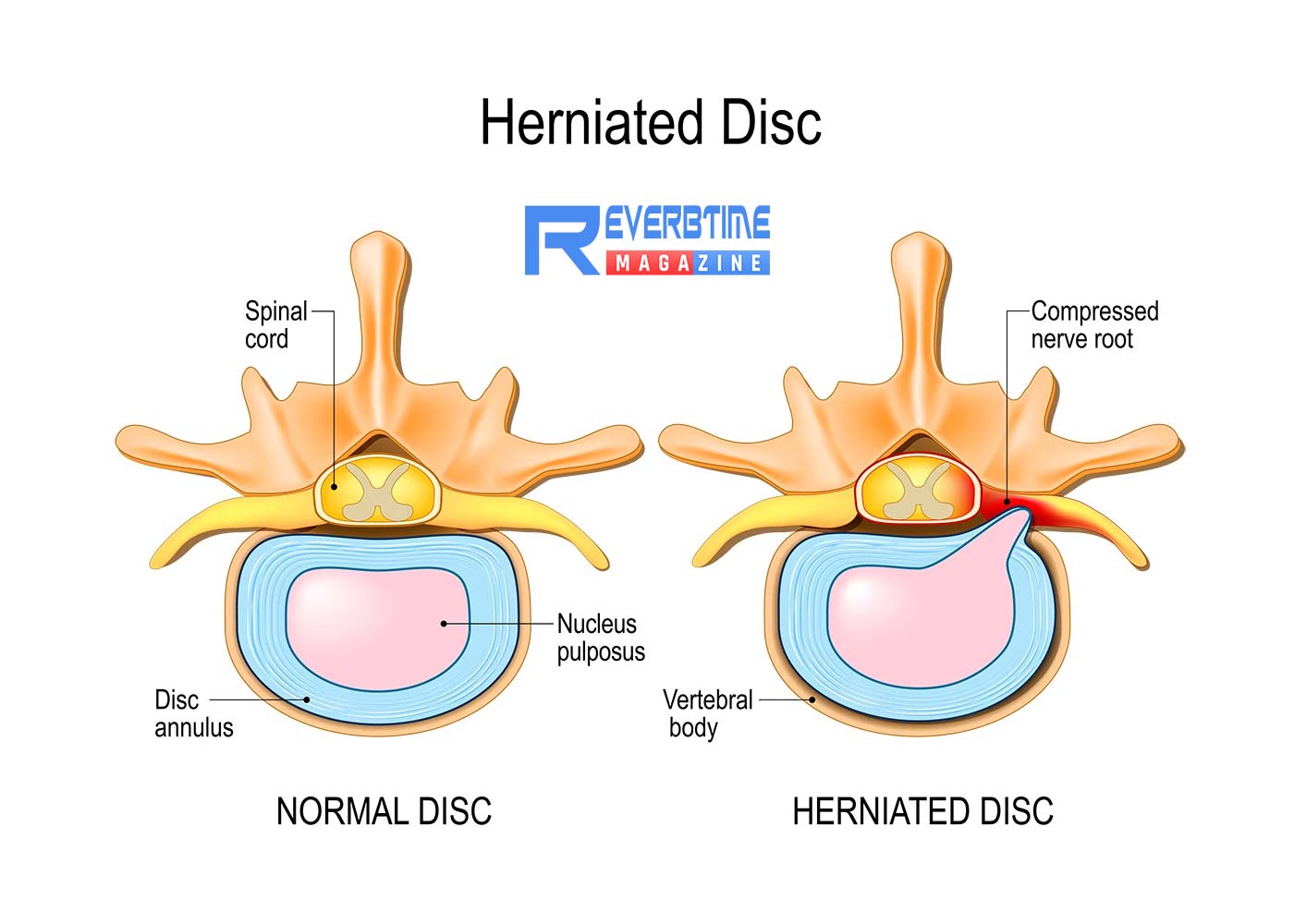
A herniated disc occurs when the soft inner material of a
spinal disc pushes through a tear in the outer layer. This condition can put
pressure on nearby nerves, causing pain, numbness, or weakness in different
areas of the body, depending on where the affected disc is located.
Common Symptoms of a Herniated Disc
- Persistent back or neck pain
- Numbness or tingling in arms or legs
- Muscle weakness
- Sharp pain that worsens with movement
- Difficulty sitting, standing, or walking for extended
periods
Effective Herniated Disc Treatment Options
There are several treatment options available, ranging from
conservative approaches to more advanced medical interventions.
1. Home Remedies and Self-Care
If your symptoms are mild, you may find relief with basic home
treatments, such as:
- Rest and Activity Modification: Avoid activities that
worsen your pain, but try to stay active to prevent stiffness.
- Ice and Heat Therapy: Applying ice packs can reduce
inflammation, while heat therapy helps relax muscles.
- Proper Posture: Maintaining good posture while sitting,
standing, and sleeping can alleviate pressure on the spine.
2. Physical Therapy and Exercises
A physiotherapist can design a customized exercise program
to strengthen the muscles supporting your spine. Some beneficial exercises
include:
- Stretching Exercises: Gentle stretches can improve
flexibility and relieve tension.
- Core Strengthening: A strong core reduces strain on your
lower back.
- Low-Impact Activities: Swimming, walking, and yoga can
improve mobility without putting too much stress on the spine.
3. Medications for Pain Relief
Doctors often recommend medications to manage pain and
inflammation. Common options include:
- Over-the-Counter Pain Relievers: Ibuprofen and
acetaminophen can help reduce discomfort.
- Muscle Relaxants: These are prescribed for severe muscle
spasms.
- Steroid Injections: Cortisone shots can provide temporary
relief by reducing inflammation around the affected nerve.
4. Chiropractic Care and Alternative Therapies
Alternative treatments may also offer relief for herniated
disc pain:
- Chiropractic Adjustments: Spinal manipulation may help
improve alignment and reduce nerve pressure.
- Acupuncture: This ancient practice can stimulate nerves
and relieve pain.
- Massage Therapy: Gentle massage techniques can reduce
muscle tension and improve circulation.
5. Medical Interventions and Surgical Options
If conservative treatments fail, more advanced interventions
may be necessary:
- Epidural Steroid Injections: These injections can provide
longer-lasting pain relief.
- Minimally Invasive Procedures: Some patients benefit from
laser treatments or other non-surgical techniques.
- Surgery: In severe cases, procedures like microdiscectomy
or spinal fusion may be required to remove the herniated portion of the disc
and relieve nerve pressure.
Steps to Recover from a Herniated Disc
Step 1: Seek Medical Advice
Visit a healthcare professional for an accurate diagnosis
and personalized treatment plan.
Step 2: Follow a Treatment Plan
Stick to prescribed medications, therapy sessions, and
recommended lifestyle changes.
Step 3: Stay Active with Low-Impact Exercises
Engage in gentle exercises to promote healing while avoiding
movements that worsen your condition.
Step 4: Maintain a Healthy Lifestyle
A balanced diet, proper hydration, and good sleep habits can
support your recovery process.
Step 5: Monitor Your Progress
Regular follow-ups with your doctor will ensure your
treatment is working effectively and adjustments can be made if necessary.
Conclusion
Specialized herniated disc therapy involves a combination of home care, physical
therapy, medications, and, in some cases, medical procedures. With the right
approach, most individuals can recover and return to their normal activities.
If you’re experiencing persistent pain, consult a specialist to determine the
best treatment plan for your condition.
Share:


