

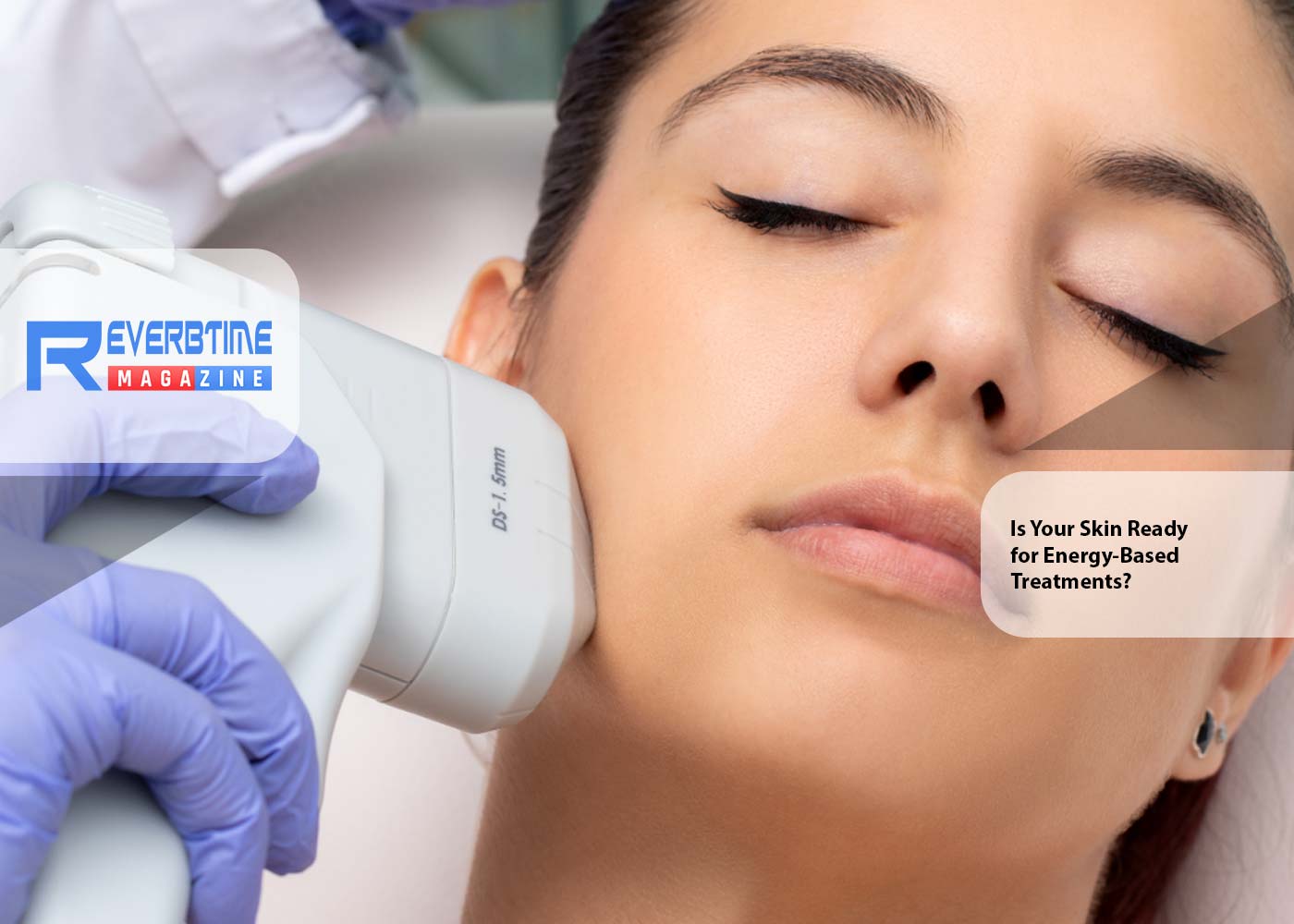
Did you know that the same ultrasound technology used to
tighten skin was originally developed to destroy brain tumors? HIFU face tightening Singapore delivers focused ultrasound energy at depths of
1.5mm, 3.0mm, and 4.5mm beneath the skin surface, reaching the SMAS
(Superficial Musculoaponeurotic System) layer that plastic surgeons target
during facelifts. RF microneedling combines radiofrequency energy with
controlled micro-injuries at depths ranging from 0.5mm to 3.5mm, triggering
collagen remodeling through both thermal and mechanical stimulation. These
treatments require specific skin conditions for appropriate results — active
inflammation, compromised barrier function, or recent procedures can impact
both safety and effectiveness.
The timing between energy-based treatments and other procedures
follows specific protocols based on tissue recovery rates and collagen
remodeling cycles. HIFU treatments typically require waiting 12–16 weeks before
assessing full results, as collagen production peaks around the 3-month mark.
Your skin's current state, recent treatment history, and healing capacity
should be evaluated by a qualified healthcare professional to determine whether
you're ready for these procedures.
Skin Conditions That Affect Treatment Readiness
Active acne creates multiple contraindications for
energy-based treatments. Inflamed lesions contain bacteria that ultrasound or
radiofrequency energy can spread deeper into tissues, potentially causing
subcutaneous infections. The heat generated — HIFU reaches temperatures of
60–70°C at focal points while RF microneedling creates 40–45°C zones — can
worsen inflammatory acne by increasing sebum production and triggering
additional breakouts. Cystic acne presents particular risks as the energy can
rupture deep lesions, leading to scarring or prolonged inflammation.
Compromised barrier function requires complete restoration
before energy treatments. Signs include persistent redness, stinging with basic
skincare products, visible flaking, or tightness lasting throughout the day.
The stratum corneum needs intact lipid bilayers to manage post-treatment
inflammation and support healing. Recovery typically involves barrier repair
using ceramide-based moisturizers, avoiding actives, and maintaining consistent
hydration.
Recent chemical peels or laser treatments create specific
waiting periods. Medium-depth peels require waiting before HIFU or RF
microneedling. Ablative CO₂ laser resurfacing necessitates several months for
complete dermal remodeling. Non-ablative fractional lasers need adequate time
for healing. These intervals allow complete re-epithelialization, restoration
of dermal architecture, and resolution of subclinical inflammation that
persists after visible healing.
Melasma and post-inflammatory hyperpigmentation (PIH)
respond unpredictably to heat-based treatments. HIFU's thermal injury can
trigger melanocyte activation in predisposed individuals, worsening
pigmentation despite the treatment occurring below the epidermis. RF
microneedling poses lower risks when performed with appropriate settings —
shorter pulse durations and lower energy levels minimize PIH risk.
Pre-treatment with hydroquinone or kojic acid can reduce melanocyte reactivity.
Pre-Treatment Skin Preparation Timeline
Four weeks before treatment marks the beginning of
preparation. Introduce vitamin C serum with 10–20% L-ascorbic acid or stable
derivatives to support collagen synthesis. Begin nightly retinoid use if not
already established — tretinoin 0.025–0.05% or retinol 0.5–1% improves cellular
turnover and may enhance treatment response. Establish consistent sun
protection with SPF 50+ broad-spectrum sunscreen, reapplying every 2 hours
during sun exposure.
Two weeks before treatment requires discontinuing specific
medications and supplements. Stop retinoids, AHAs, BHAs, and benzoyl peroxide
to minimize irritation risk. Discontinue blood-thinning supplements including
fish oil, vitamin E, ginkgo biloba, and garlic supplements. Avoid NSAIDs except
aspirin prescribed for cardiac protection. These precautions reduce bruising
risk with RF microneedling and prevent excessive inflammation post-HIFU.
One week before treatment focuses on hydration and barrier
optimization. Increase water intake to 2–3 liters daily. Apply hyaluronic acid
serum twice daily to support dermal hydration. Use occlusive moisturizers at
night containing petrolatum or dimethicone to prevent TEWL. Avoid any new
skincare products that might trigger sensitivity. Cancel other facial
treatments including extractions, dermaplaning, or light therapy.
The day before treatment requires specific preparation
steps. Cleanse skin thoroughly but gently, avoiding mechanical exfoliation.
Apply no ingredients — only gentle moisturizer and sunscreen. Avoid alcohol
consumption which increases inflammation and impairs healing. Ensure adequate
sleep as this impacts skin's repair capacity. Arrive at treatment with
completely clean skin, free from makeup, sunscreen, or skincare products.
Assessing Your Skin's Healing Capacity
Chronological age provides baseline expectations for healing
timeframes. Patients under 35 typically show visible HIFU results within 6–8
weeks as their fibroblasts respond to thermal stimulation. Those 35–50 require
10–12 weeks for noticeable lifting due to slower collagen synthesis rates.
Patients over 50 may need 16–20 weeks for results, with some requiring multiple
sessions to achieve outcomes. RF microneedling recovery follows similar
patterns — younger skin re-epithelializes within 24–48 hours while mature skin
needs 72–96 hours.
Fitzpatrick skin types IV–VI require modified protocols to
prevent PIH. HIFU settings use lower energy densities — 0.45–0.6J for face
versus 0.6–1.2J. Treatment lines are spaced further apart, reducing thermal
accumulation. RF microneedling employs shorter needle depths (0.5–1.5mm versus
2–3.5mm) with lower radiofrequency power. Pre-treatment with tyrosinase
inhibitors for 4–6 weeks may reduce PIH risk. Post-treatment cooling should
continue for 20–30 minutes versus 10–15 minutes.
Lifestyle factors can impact healing capacity and treatment
outcomes. Smoking reduces oxygen delivery to tissues, potentially slowing
healing and affecting collagen production. Regular exercise improves
circulation and growth factor release, which may enhance treatment response.
Sleep quality affects growth hormone secretion — insufficient nightly sleep can
reduce collagen synthesis. Chronic stress elevates cortisol, which breaks down
collagen and may impair wound healing. High sugar diets cause glycation, making
existing collagen rigid and less responsive to remodeling signals.
Previous treatment responses may indicate future outcomes.
Patients who developed prolonged erythema lasting over 7 days after laser
treatments may experience similar reactions to HIFU. Those who formed
hypertrophic scars after surgery or injury require careful assessment before RF
microneedling. Patients who showed improvement within expected timeframes to
previous energy treatments typically respond well to subsequent procedures.
Those identified as poor wound healers through slow recovery from minor
injuries may need modified protocols or alternative treatments.
Contraindications and When to Postpone Treatment
Autoimmune conditions affecting skin require careful
evaluation. Active lupus, dermatomyositis, or scleroderma contraindicate energy
treatments due to unpredictable inflammatory responses. Controlled psoriasis or
eczema may permit treatment if lesions are absent from treatment areas for 3
months minimum. Keloid tendency contraindicates RF microneedling but may allow
HIFU with careful patient selection. Vitiligo patients risk koebnerization —
new depigmented patches at treatment sites.
Pregnancy and breastfeeding contraindicate both treatments.
HIFU's ultrasound energy, while different from diagnostic ultrasound, lacks
safety data during pregnancy. RF energy creates electromagnetic fields with
unknown fetal effects. Hormonal fluctuations during pregnancy and lactation
affect skin healing and pigmentation responses. Most clinics require waiting 3
months post-breastfeeding before treatment to ensure hormone stabilization.
Active infections anywhere on the face require complete
resolution before treatment. Herpes simplex outbreaks need antiviral treatment
and 2 weeks clearance. Bacterial infections including impetigo or folliculitis
must resolve completely with 1 week infection-free before proceeding. Fungal
infections require confirmation of cure through negative cultures. Even minor
infections like styes or conjunctivitis warrant postponement due to
immunosuppression risks during healing.
Metal implants and electronic devices create treatment
modifications or contraindications. Dental implants typically allow treatment
with beam path adjustments. Gold thread lifts contraindicate HIFU due to
heating risk. Pacemakers and defibrillators contraindicate RF treatments
entirely. Metal plates or screws from facial reconstruction require individual
assessment based on location and composition. Permanent fillers containing
microspheres may concentrate heat, requiring treatment avoidance over these
areas.
Did You Know?
HIFU technology was originally developed for tumor ablation
in the 1940s, with aesthetic applications emerging in 2008 after discovering
that lower energy levels could stimulate collagen without destroying tissue.
What the Aesthetic Doctor Says
The assessment process involves both visual examination and
imaging when available. Skin thickness may be evaluated using ultrasound
imaging when possible, as patients with dermal thickness below 1.5mm may not be
suitable HIFU candidates. The pinch test helps assess skin laxity — skin that
immediately snaps back indicates good elasticity and may benefit more from RF
microneedling for texture improvement rather than HIFU for lifting.
Patient expectations require careful management through
education about biological timelines. Collagen remodeling follows predictable
phases — initial inflammation for 3–5 days, proliferation for 4–6 weeks, and
remodeling continuing for 3–6 months. Photography at baseline, 6 weeks, 12
weeks, and 6 months can document gradual improvements. Some patients experience
the "HIFU dip" around week 2–3 where skin temporarily looks worse
before improvement begins.
Conclusion
Your skin's readiness for HIFU or RF microneedling depends
on proper assessment of barrier function, healing capacity, and current
inflammation status. Adequate preparation includes pre-treatment protocols,
realistic timeframe expectations, and appropriate post-treatment care.
If you're experiencing skin laxity, fine lines, persistent
acne, or have concerns about your skin's readiness for energy-based treatments,
a qualified aesthetic doctor can evaluate your suitability and develop a
personalized treatment protocol.
Share:


