

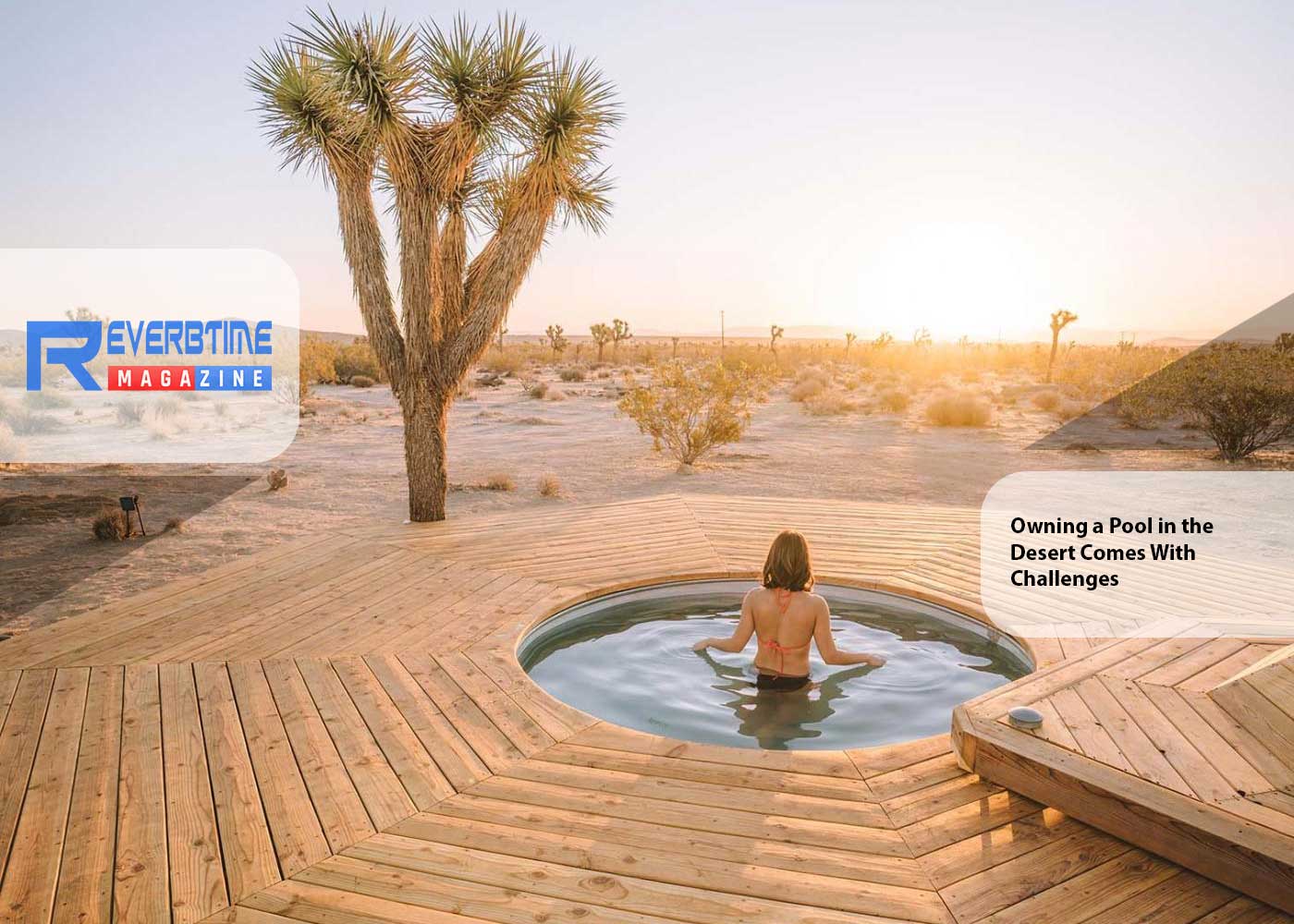
There is a particular irony to pool ownership in Arizona.
The same relentless sunshine that makes a backyard pool feel essential for six
or more months of the year is also the force that accelerates wear, drives up
chemical costs, and shortens the lifespan of nearly every component in the
system. For the roughly 600,000 residential pools scattered across the Phoenix
metro area, the desert climate is both the reason the pool exists and the
primary threat to its longevity.
Arizona homeowners, particularly those in the Scottsdale and
greater Phoenix corridor, face a set of pool maintenance challenges that simply
do not exist in milder climates. Water chemistry behaves differently when
ambient temperatures regularly exceed 110 degrees. Equipment operates under
sustained thermal stress. And the cost of neglecting maintenance in this
environment escalates far faster than most new pool owners anticipate.
What Extreme Heat Actually Does to Your Pool
The most obvious effect of Arizona's summer heat is water
temperature. Pool water in an unshaded, south-facing backyard in Scottsdale can
climb above 95 degrees by mid-July. At those temperatures, chemical reactions
accelerate significantly. Chlorine dissipates faster, pH levels become harder
to stabilize, and algae growth can explode in hours rather than days.
This creates a chemical management challenge well beyond
what pool owners in temperate climates experience. Maintaining proper free
chlorine levels in 95-degree water requires substantially more input than in
80-degree water. Cyanuric acid (stabilizer) that protects chlorine from UV
degradation becomes even more critical, but it also builds up over time and can
reduce chlorine's effectiveness if not monitored carefully.
Beyond water chemistry, heat takes a direct toll on
equipment. Pump motors running eight to twelve hours per day in ambient
temperatures above 110 degrees face thermal stress that can significantly
shorten their operational lifespan. Manufacturers typically rate pump motor
life expectancy assuming moderate climatic conditions, and achieving the upper
end of those estimates in Arizona requires careful installation, adequate
ventilation, and disciplined maintenance.
Pool surfaces are also affected. Plaster, pebble, and tile
finishes expand and contract with temperature cycles. Over years, this thermal
cycling contributes to cracking, delamination, and accelerated wear. The
intense UV exposure accompanying Arizona's 300-plus days of sunshine fades
colored finishes and degrades sealants and gaskets faster than expected.
The Rise of Energy-Efficient Pool Upgrades
As awareness of desert-specific challenges has grown, so has
the market for pool upgrades designed to improve efficiency and extend
equipment life.
Variable speed pumps represent one of the most impactful
upgrades available. Traditional single-speed pumps run at full power regardless
of the task, consuming significant electricity. Variable speed pumps adjust
their motor speed to match demand, running at lower speeds for routine
circulation and ramping up only when needed. According to the Department of
Energy, variable speed pumps can reduce energy consumption by up to 70 percent
compared to single-speed models. For Arizona homeowners running pumps for
extended summer periods, this translates to meaningful reductions in monthly
utility bills.
LED pool lighting is another upgrade seeing rapid adoption.
Traditional incandescent pool lights consume more electricity and generate more
heat. LED alternatives use a fraction of the energy, last significantly longer,
and offer color-changing options that enhance the pool area during evening
hours.
Automation systems have also become popular. Modern pool
automation allows homeowners to control pumps, heaters, lighting, water
features, and chemical management from a smartphone app. This level of control
is particularly valuable in Arizona, where the ability to adjust pump run times
or modify chemical dosing remotely helps homeowners respond to changing
conditions without being poolside.
Scottsdale-based specialists like Blue Promise Pools work with
homeowners to evaluate which combination of upgrades makes the most sense given
a pool's age, condition, and the owner's priorities. The right mix of
efficiency upgrades can significantly reduce operating costs while extending
the useful life of the pool system.
Pool Remodeling Trends in the Desert Market
Beyond equipment upgrades, many Arizona homeowners are
investing in comprehensive pool remodeling projects.
Resurfacing is among the most common. Pool plaster has a
typical lifespan of seven to twelve years, but in Arizona's climate, the lower
end of that range is more realistic. When plaster roughens, stains, or cracks,
it affects appearance and can harbor algae, making water chemistry management
more difficult. Modern options include quartz aggregate, pebble finishes, and
glass bead finishes, each offering different combinations of durability,
aesthetics, and price.
Water features and fire features continue to be popular
additions. Sheer descent waterfalls, deck jets, and bubbler fountains add
visual interest and ambient sound. Fire bowls positioned near the pool edge
have become a signature element of Arizona outdoor design, blending the desert
aesthetic with functional warmth during cooler evenings.
Shade structures designed for the pool area represent a
growing trend. Shade sails, pergolas, and ramada structures reduce direct sun
exposure on the water, helping moderate temperature, reduce chemical
consumption, and create more comfortable swimming conditions during the hottest
months. For families with children, shade over at least a portion of the pool
is increasingly viewed as a practical necessity.
Maintaining Your Investment for the Long Term
Arizona's climate makes ongoing maintenance genuinely
important. The gap between a well-maintained pool and a neglected one widens
faster in the desert than almost anywhere else.
Weekly service typically includes testing and adjusting
water chemistry, cleaning skimmer and pump baskets, brushing walls and tile,
vacuuming, inspecting equipment for wear, and filter maintenance as needed.
During peak summer months, some pools require more frequent chemical adjustments
to keep pace with accelerated chlorine demand.
Filter maintenance deserves particular attention. Arizona's
fine desert dust, pollen, and general particulate load mean pool filters work
harder here than in most markets. Cartridge filters may need cleaning every
four to six weeks during peak season, and DE filters require regular
backwashing and periodic grid cleaning.
Equipment inspections should include checking pump seals,
motor temperature, and the condition of plumbing connections and valves. Catching
a minor seal leak or developing bearing noise early prevents small repairs from
becoming major replacements.
A well-maintained pool in the Arizona desert is more than a
recreational amenity. It is an extension of the home's living space and, for many
homeowners, a meaningful contributor to property value. Real estate data
consistently shows that homes with pools in the Phoenix market command a
premium, particularly in Scottsdale neighborhoods where outdoor living is
central to the lifestyle.
The key to realizing the full value of that investment is
recognizing that desert pool ownership operates under different rules.
Proactive maintenance, strategic equipment upgrades, and periodic remodeling
are the cost of keeping a pool safe, attractive, and functional in one of the
most demanding climatic environments a backyard pool can inhabit.
Share:


