

There could come a time in your life when you want to
connect to the city's sewer system. There are many reasons why this is the
case, but the reality is that eliminating your septic system makes your life easier
and can reduce your long-term expenses.
However, you should know that the conversion process takes
some work. You'll need to hire a licensed plumbing and sewer contractor, such
as Hunt’s Services, to run new pipes, and of course, there will be some permits and
legal matters to take care of, too.
Having a blueprint to follow makes the process run far
smoother. Here's a guide for converting your home or business from septic to
sewer in Tacoma, Seattle, and other Western Washington locations.
An Overview of How a Septic to Sewer Conversion Works
A septic-to-sewer conversion involves connecting your home's
plumbing system to a public sewer line. It replaces the need for an on-site
septic system. Here's how the process works and what you can expect from a
contractor during the conversion:
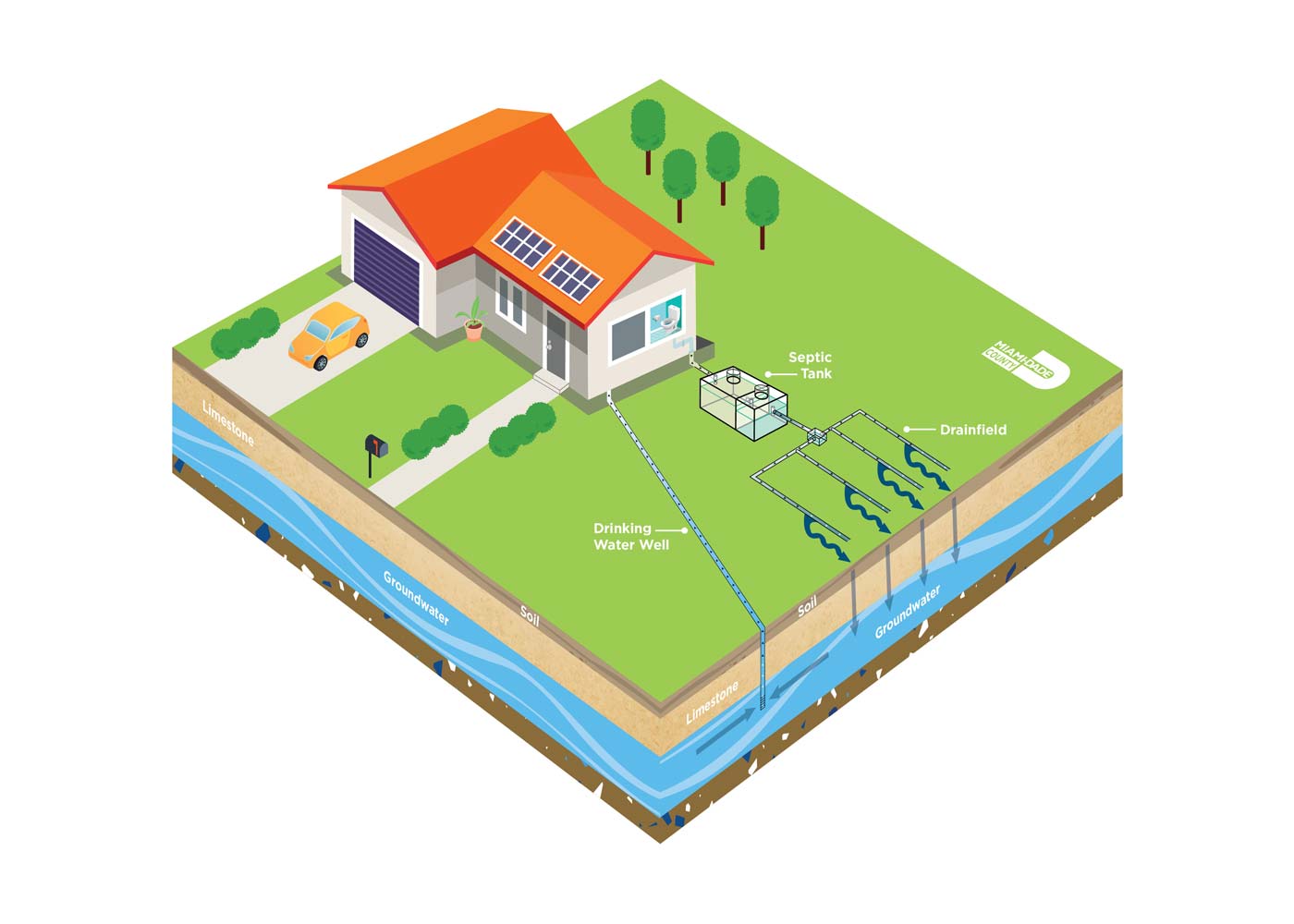
Your current septic system consists of a septic tank that
holds wastewater from your home. Solid waste settles at the bottom of this
tank, while liquid waste filters into the surrounding soil through a drain
field. This system works well in rural or remote areas but requires frequent
maintenance. It can also create environmental risks if you don't manage it
properly.
A municipal sewer system, such as Tacoma Wastewater Treatment Facility, uses a network
of underground pipes to take wastewater to a central treatment facility. This
facility cleans and processes the waste before safely releasing it back into
the environment. Sewer systems are typically more reliable and require less maintenance
than septic systems.
When you go ahead with the conversion, a contractor will
begin by looking at your property to determine the best way to connect to the
nearest sewer line. They'll handle the necessary digging, disconnect your
septic system, and connect your home's plumbing to the sewer.
The job won't require much work on your end, as you'll need
a professional to take care of pretty much everything.
Pros and Cons of Septic to Sewer Conversion
Before you begin, it's a good idea to learn about the
benefits and drawbacks of the conversion.
One of the most significant advantages of converting to
sewer is the positive environmental impact. Sewer systems treat wastewater at
centralized plants, reducing the risk of contamination to local groundwater,
soil, and nearby water sources.
In addition, buyers see homes connected to sewer systems as
more reliable and desirable. Potential buyers may be willing to pay more for a
property that doesn't have the risks and maintenance concerns associated with
septic tanks. The result is an increase in property value.
Septic systems require regular pumping and maintenance,
which can be costly and inconvenient. A sewer connection transfers most of this
maintenance to the city, reducing your burden as a homeowner.
Despite these positives, there are some disadvantages to
think about before you begin the job.
For instance, the upfront cost of converting to sewer can be
significant. Expenses include permits, excavation, and hiring a professional
contractor, making it a significant investment.
The conversion process can also be disruptive, requiring
digging, trenching, and potential landscaping restoration. These tasks can
temporarily affect the property's appearance and usability.
Once you connect to a sewer system, you'll pay a monthly fee
to the city for wastewater treatment. The result is higher ongoing utility
bills compared to maintaining a septic system.
How the Septic to Sewer Conversion Process Works
Converting from a septic system to a sewer connection is a
bit of a process that requires some planning. Here's how it typically works:
The first step is determining if connecting to the municipal
sewer system is even possible. You'll need to see if your property is within
the service area and find the nearest sewer connection point. You'll also need
to obtain permits from local authorities before starting the work.
Once permits are in place, you can hire a licensed plumbing contractor with experience in septic-to-sewer conversions. You
might also want to hire the contractor beforehand because they can offer advice
on how to get your permits.
Your contractor will begin by disconnecting your existing
septic system. This job involves pumping out any remaining waste,
decommissioning the septic tank, and sealing it to prevent environmental
issues.
From there, the contractor will dig trenches to run pipes
from your home to the city sewer line. This part of the job could require
significant excavation depending on the distance to the nearest connection
point.
With the connection in place, local officials will inspect
the work. After approval, you can start using the sewer system.
Find the Right Contractor
Identifying a local contractor with significant
septic-to-sewer conversion experience is important because you don't want to
leave anything to chance. One option in Western Washington is Hunt's Services.
Hunt's Services has the experience necessary to handle the
job the right way. Call us at 253-533-7500 or fill out an online form to book
your appointment in Tacoma and Seattle and other cities in King County, Pierce
County, and Thurston County in the Puget Sound.
Share:


