

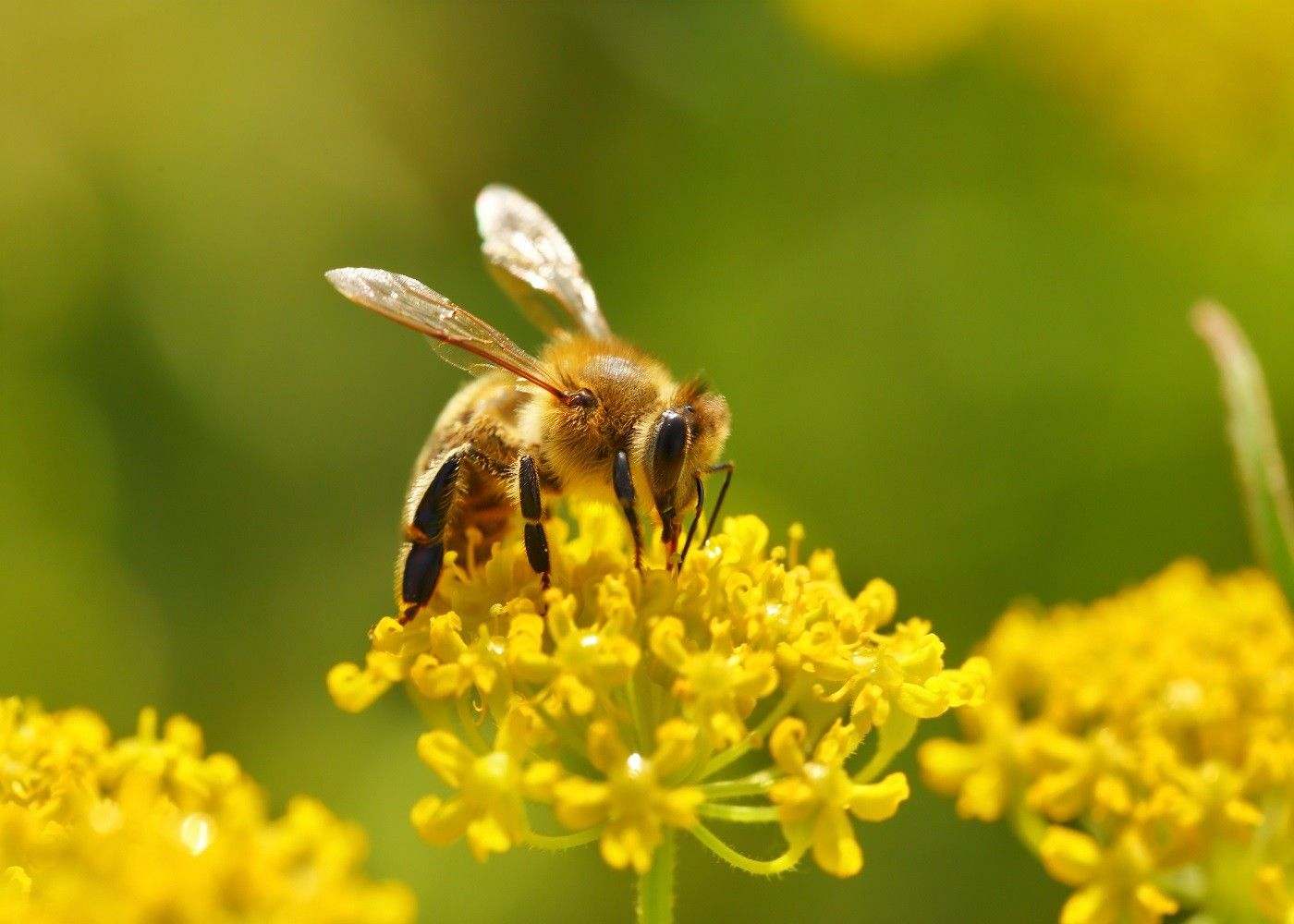
Essential as they are to our ecosystem, bees can be quite a
nuisance when present in large numbers near your home. This article will equip
you with effective and humane strategies for managing bee populations, allowing
you to protect your space without causing harm to these hardworking pollinators.
By understanding their behavior and needs, you can learn how to coexist with
bees, ensuring both your comfort and their well-being.
Identify the Bee Species
Identifying the specific species of bees before taking
action is crucial because different species require distinct approaches for
safe management. Honeybees, for instance, are vital for agriculture and should
be preserved whenever possible; they can often be relocated by professionals if
they inhabit your space. In contrast, wasps, often mistaken for bees, can
behave more aggressively and may need immediate removal. To accurately identify
the species, observe their size, color, and behavior from a safe
distance—honeybees are generally fuzzy and golden-brown, while yellowjackets, a
common wasp, have a more slender and smooth appearance. Additionally,
understanding whether the bees are nesting inside or outside will inform your
strategy, as ground-nesting species can pose a greater threat if disturbed. By
discerning these differences, you can choose the most appropriate and humane
response to your bee dilemma while ensuring the safety of both your household
and these important pollinators.
Locate the Bee Nest
Locating the bee nest is essential for formulating a safe
and effective management plan, as improper handling can lead to aggressive
behavior from the bees, increasing the risk of stings. Bees often construct
their nests in concealed environments, including hollows in trees, under eaves,
or within wall cavities, which means that misinformation can lead to
unnecessary stress for both the bees and yourself. To locate a nest, pay
attention to the bees' flight patterns; they typically enter and exit from the
same point, creating a visible path. Early morning or late afternoon are the
best times for observation, as bees are less active then, giving you a clearer
view of their activity. Look for traces of wax or pollen residues that might
reveal their nesting site. If you suspect a nest in a wall cavity, tapping
gently on the surface can help determine if there's activity inside, as you'll
often hear a buzzing response. Once you’ve identified the nest location, you
can make an informed choice on how to proceed safely and humanely.
Seal Entry Points
Sealing entry points will prevent bees from finding their
way into your home. Even the tiniest of openings can become an invitation for
these industrious insects to establish a nest indoors, so be thorough in your
effort to find and seal all possible entrances. By addressing cracks, gaps, and
holes in walls, roofs, and windows, you create a barrier that significantly
reduces the likelihood of a bee invasion. Start by inspecting potential access
points like vent openings, gaps around pipes, and window screens for any signs
of wear or damage. Weather stripping and caulk can be effective materials for
sealing these vulnerabilities, ensuring they are tight and secure.
Additionally, consider strategically installing mesh screens over vents and
chimney caps to allow airflow while keeping bees out. Regular maintenance is
essential; inspect your home periodically and after severe weather, as changes
in fluctuations can reveal new openings that bees could exploit. Taking these
proactive measures will help safeguard your living space against unwanted bee
colonies, protecting both your comfort and their well-being.
Use Natural Repellents
When bees invade your outdoor space, using natural
repellents can provide an effective, eco-friendly solution to keep them at bay
without harming these essential pollinators. Essential oils such as peppermint,
eucalyptus, and citronella are particularly effective due to their strong
scents, which can mask floral aromas that attract bees. Diluting these oils in
water and spraying them around entryways, patio areas, or nests can help create
an unwelcoming environment for bees. Additionally, incorporating bee-repelling
plants like mint, basil, and lemongrass in your garden not only beautifies your
outdoor space but also serves as a natural deterrent, as bees tend to avoid
areas where these herbs are prominent. Another effective method involves
creating a vinegar and water solution, which can be sprayed in areas where bees
are problematic—be mindful to apply it during times of lower activity, like
early morning or late afternoon. Employing these natural strategies fosters a
balanced approach to protecting both your space and the bee populations that
play a crucial role in our ecosystem.
Create a Bee-Friendly Garden
Creating a bee-friendly garden is an effective way to
provide a safe habitat for bees, diverting their attention away from the
proximity of your home and reducing the likelihood of unwanted encounters. To
attract bees away from high-traffic areas, focus on planting a diverse array of
nectar-rich flowers, such as lavender, borage, and sunflowers, which bloom at
different times throughout the growing season, ensuring a continuous food
source. Incorporate native plants, as they are typically better suited to local
bee populations and can support a wider range of species. Additionally,
consider adding bee hotels—small wooden structures filled with natural
materials—that provide nesting sites for solitary bees. Water sources, such as
shallow dishes with pebbles for perching, can also attract these important
pollinators to your garden while keeping them away from your living spaces. By
thoughtfully curating a bee-friendly garden, you can cultivate a thriving
ecosystem that benefits both the bees and your outdoor environment, all while
enhancing your home’s appeal.
Seek Professional Help
Ensuring your safety is paramount when faced with a large
hive or aggressive bee species, as DIY attempts can escalate dangerous
situations and lead to painful stings or allergic reactions. Professional bee
control services are equipped with specialized knowledge and protective gear,
allowing them to assess the situation accurately and execute safe removals.
They implement humane techniques for relocating bees, particularly honeybees,
which are critical for pollination, ensuring they are preserved rather than
exterminated. Moreover, these experts can offer valuable insights into
preventing future infestations by identifying nesting patterns and recommending
effective habitat management strategies. By relying on the expertise of an
experienced bee control company like Nelson's Bee Removal, you not only protect yourself and
your loved ones but also contribute to the health of the bee populations in
your area, fostering a more balanced ecosystem.
Practice Caution
Understanding the defensive nature of bees is crucial
because even a seemingly calm hive can become aggressive if they feel
threatened, which increases the risk of stings. It's essential to approach any
bee management task with a calm and deliberate mindset, prioritizing your
safety above all. Always wear protective clothing, such as a thick long-sleeve
shirt, trousers, gloves, and a bee veil to shield your skin and face,
significantly reducing the chance of stings. Move slowly and avoid making
sudden gestures or loud noises that could startle the bees; it's the vibrations
and commotion that often trigger defensive behavior. If possible, observe the
bees from a safe distance before attempting any management measures; this will
help you gauge their activity levels and assess how to proceed safely.
Additionally, consider timing your intervention during cooler parts of the
day—early morning or late afternoon—when bees are less active, allowing you to
work with a reduced risk of agitating them.
Conclusion
Effectively managing bee populations around your home is
both a rewarding and essential endeavor. By employing a mix of preventive
strategies and compassionate practices—such as identifying bee species,
locating nests, sealing entry points, utilizing natural repellents, creating a
bee-friendly garden, and seeking professional help when necessary—you can
address bee challenges while showing respect for these vital pollinators.
Remember, every small effort counts! By fostering an environment where bees can
thrive, you not only enhance your own outdoor space but also contribute
positively to the ecosystem. Embrace the journey of coexistence with these
incredible creatures, and feel proud that you’re playing a part in protecting
our environment.
Share:


